Despite Mexico ranking as one of the happiest destinations for expatriates, with nearly nine in ten expats (89%) reporting happiness levels far exceeding the global average of 68%, the majority of Americans who move south of the border eventually return home. This phenomenon raises an important question: If Mexico provides such high satisfaction, why don’t more Americans stay permanently?
The Honeymoon Phase
Mexico’s appeal is undeniable. According to the Expat Insider survey by InterNations, “the largest international community for people who live and work abroad,” Mexico ranks exceptionally high for its Leisure Options (2nd globally). The lower cost of living, warm climate, rich culture, and relaxed pace of life initially enchant newcomers.
“I caught on pretty quickly that the locals are in no hurry to do most things,” reports one expat. “Tourists would become agitated fast. Why was the boat not leaving when they said it would? I overheard a local boatman saying to someone, ‘Why are you getting so angry? You are getting this boat to an island to lie in the sun and relax. Why do you think you can’t do that here whilst you wait?’”
This “Mexican time” perspective initially feels refreshing to many Americans escaping fast-paced lives. However, the very differences that make Mexico charming can eventually become frustrating hurdles.

Mexico’s Soundtrack: The Noise Factor
One of Mexico’s most surprising challenges for many Americans isn’t something you’ll find in guidebooks: the constant symphony of sounds that make up daily life here.
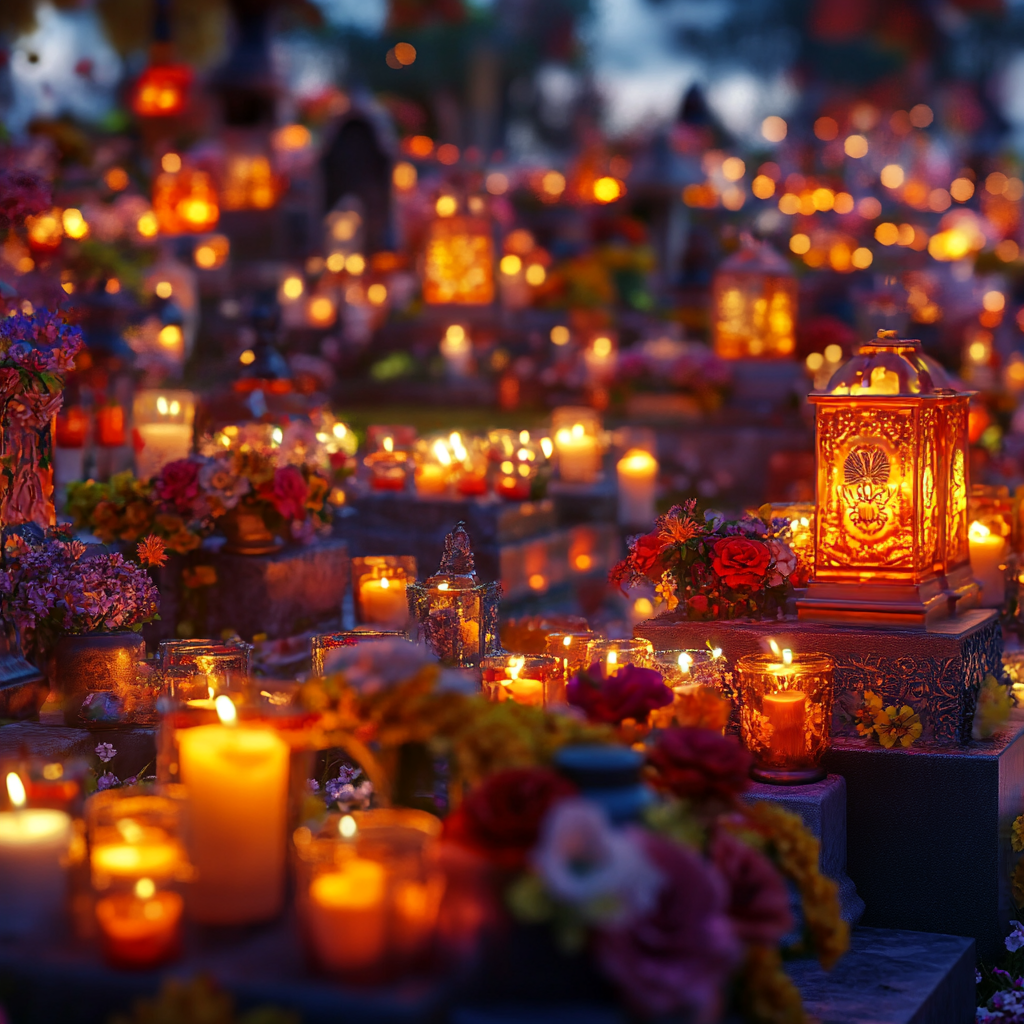
Even in what appears to be tranquil rural areas, Mexico has its own distinctive soundtrack. Dawn announces itself with roosters crowing at improbable hours. Dogs seem to engage in neighborhood-wide barking conversations throughout the day and night. Church bells, fireworks celebrating countless saints’ days, and impromptu fiestas with music blasting until the early morning hours are simply part of the cultural fabric.
In more urban areas, add street vendors with loudspeakers, traffic noise, construction without time restrictions, and the general buzz of a population that lives much of its life outdoors, and you have a noise level that many Americans find overwhelming.
“I love everything about Mexico except the noise,” admits one expat from Vermont. “After two years, I still haven’t adjusted to fireworks at 5 a.m. for religious celebrations or the weekend parties that go until 3 a.m. with music at what feels like concert volume.”

The noise factor highlights a fundamental cultural difference: many Mexican communities prioritize communal celebration and expression over individual tranquility. What registers as inconsiderate noise pollution to American sensibilities is often just the sound of community life to locals.
For noise-sensitive Americans accustomed to strictly enforced quiet hours and neighborhood noise ordinances, this ongoing sensory challenge can become the final straw. Earplugs and sound machines become essential purchases, but they’re temporary fixes for what is ultimately a permanent feature of Mexican life.
Safety Concerns Cast Long Shadows
Perhaps the most significant factor driving Americans back home is safety. Less than two-thirds (66%) of expats feel safe in Mexico, compared to four in five expats worldwide (80%). This substantial gap creates an underlying tension that can wear on even the most enthusiastic transplants.
Safety concerns manifest in various ways, from petty crime to more serious security issues in certain regions. Over time, the constant vigilance required can become exhausting, particularly for those with families.

Infrastructure Challenges
While Mexico offers excellent leisure opportunities, everyday practicalities present ongoing challenges:
- Transportation limitations: Unlike many European countries, Mexico lacks comprehensive train systems. Bus services are good but not always reliable, and many rural roads remain treacherous with unexpected potholes and dangerous passing lanes.
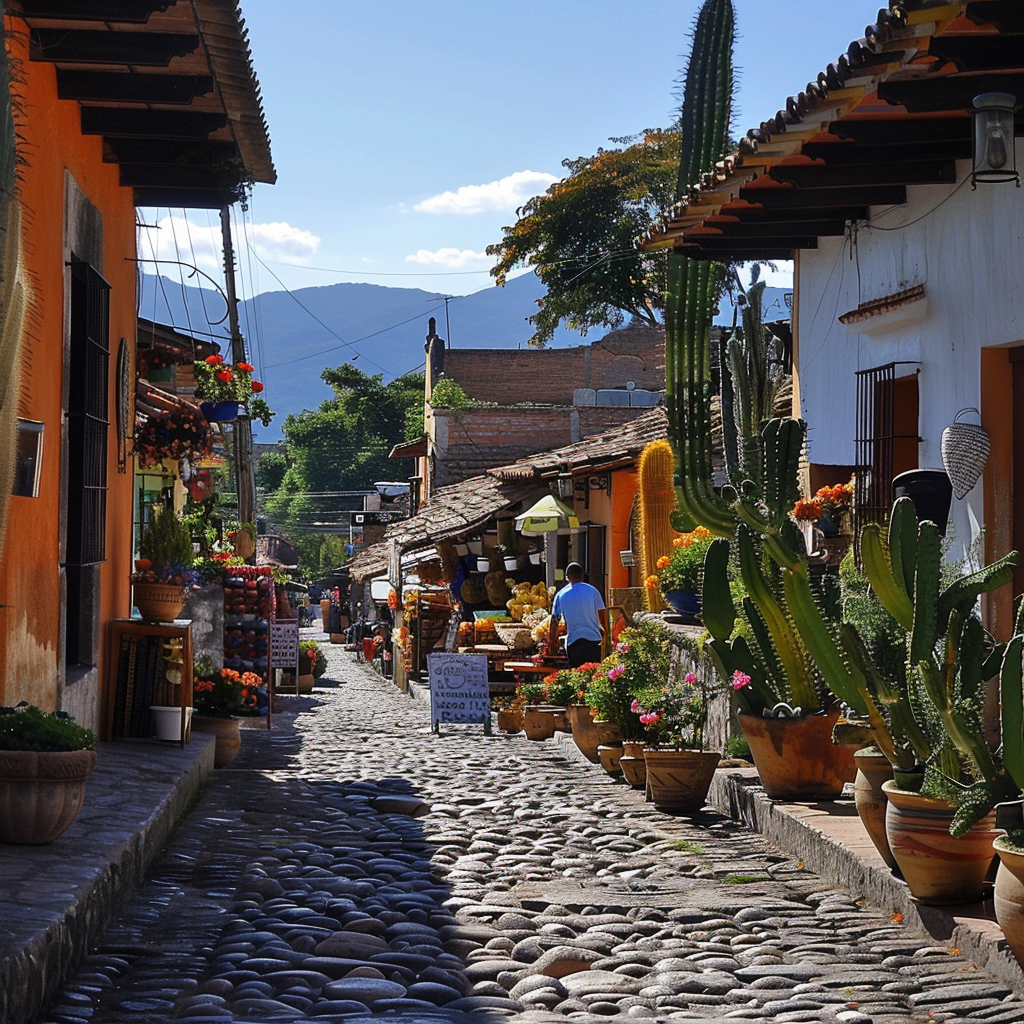
- Not bike-friendly: Cycling enthusiasts quickly discover the obstacles of navigating cobblestone streets, dangerous traffic, and a general lack of dedicated bike lanes in most areas.
Regulatory inconsistencies: Housing regulations, driving enforcement, and general safety standards don’t match what many Americans are accustomed to, creating unpredictability in daily life.
The Wear and Tear of Daily Frustrations
Beyond major concerns, smaller inconveniences accumulate over time:
- Business standards: No-shows for appointments, chronic lateness, and inconsistent service quality across organizations can frustrate those accustomed to more standardized business practices.
- Environmental issues: Roadside trash and pollution in some areas contrasts sharply with the natural beauty that initially attracts visitors.
- Climate realities: The idyllic warmth that feels like vacation during short stays can become oppressive during extended periods. Many expats who initially settle on the coast find the heat and humidity during summer months unbearable long-term.
Aging infrastructure: Historic charm comes with practical challenges as old buildings require constant maintenance and may lack modern conveniences.
- The Pull of Home Grows Stronger
Let’s be real – even if you’ve mastered the art of living in Mexico, there are some heartstrings that just keep tugging you back north.
Think about missing your nephew’s graduation or your best friend’s wedding. That stuff adds up! Many expats describe this constant low-grade “expat guilt” that comes from watching life events unfold through FaceTime instead of in person. When your mom texts “Wish you were here” with a family photo, it hits differently in year three than it did in month three. Luckily Mexico is right next door in case you have to go back for emergencies or just because you’re home sick! People in Asia don’t have it so easy.
Then there’s the expat community itself – an amazing but ever-changing social circle. Just when you’ve found your perfect margarita crew, someone announces they’re moving back to Minnesota.Or in my case it was Mescal and Michigan! We are a group of movers by nature, and some people may only live in Mexico part time. Before long, you might find yourself becoming the “old-timer” constantly making new friends as others cycle through their Mexican chapter.

Healthcare is another reality check. While Mexico offers surprisingly good medical care (ranking 22nd globally – not too shabby!), many expats start thinking about their home country’s healthcare system as they get older. When managing chronic conditions or facing serious health issues, the comfort of familiar medical systems often wins out over even the most beautiful beach views.
The truth is, for many Americans, Mexico becomes less about “forever” and more about “right now” – an incredible, transformative chapter rather than the final page of their story.
Finding the Sweet Spot
Mexico’s position at 25th place for overall Quality of Life in the Expat Insider survey accurately reflects this complex reality. The exceptional happiness ratings speak to Mexico’s tremendous appeal, while the modest overall ranking acknowledges the practical challenges.
For many Americans, the solution isn’t permanent residency but rather a hybrid approach—spending months or seasons in Mexico while maintaining connections to the United States. This arrangement allows them to enjoy Mexico’s undeniable benefits while addressing the factors that make permanent relocation challenging.
In the end, Mexico often serves as a transformative chapter rather than a final destination—a place where Americans learn to appreciate a different pace of life, gain perspective on their own culture, and return home with expanded horizons rather than permanent forwarding addresses.


 Insights, stories, and guidance for creating a life of freedom and courage in Mexico and beyond