
When I was researching moving to Mexico, there was one question I couldn’t get a straight answer to:
What does it actually cost to live the kind of life I’m seeing on my screen?
Today, I’m giving you the real numbers:
what groceries cost, what utilities cost, what it costs to keep two dogs happy, and a ballpark of what I paid for this property. Because those were the numbers I was dying to know before I packed up my life and drove across the border.
And some may surprise you.
Micro Backstory
When I moved here from the U.S. as an exhausted nurse starting over at 57, I had no idea if this life was even possible for someone like me. So if you’ve been researching, dreaming, or replaying videos like I used to… this is for you.
And the first thing I needed to know back then, maybe the thing you need to know, is whether a place like this was even within reach.
So let’s talk about the cost of this home and land and with some context.

PROPERTY COST
I’m not comfortable giving the exact amount I paid, that’s too personal to be forever on the internet, but I can give you a ballpark.
Properties like mine, in this region, can range from $200 to $450, depending on condition, land size, and how much work you’re willing to do.
People want real examples, and I understand that completely. But before I show you anything, let me be really clear:
The market changes constantly, and the listings I show you today will almost certainly be gone by the time you decide to move. So please don’t screenshot these and think, ‘This is what I’ll pay.’ These are examples.
I haven’t visited these houses in person, these are just current listings in the area around Patzcuaro Michoacan. And since most of my viewer are in the US I’m talking about US dollars here. The actual price is the equivalent in Mexican pesos.
If you are reading this, apologies, the pictures are in the video above.
Example 1: Small fixer-upper
This one looks like it has some land around it, a cabin style 3 bedroom. Listed at about $80K USD. No view of the kitchen which makes me wonder why.
Example 2: Just out of town and brand new
I apologize if that text on the screen is hard to read but it just says what I just said. You can pause the video to slow down the pictures.
This one is brand new and in a subdivision about, I think, 15 minutes from town.
Right now it’s listed around $116 USD.
Example 3: Move-in-ready home
This is a move-in-ready 3 bedroom closer to the center of town.
You’re paying for location, convenience, and the fact that it’s brand new. Looks really nice.
This one is listed around $236 USD.
Example 4: Home with land (my category)
This one is more similar to the type of property I have: a rural home with a bit of land, in fact it says it has over 3.5 acres.
It’s not perfect, but livable.
It’s listed around $361 USD.”
Here is one Higher-end example. There are houses available from all price ranges.
And this shows some of the upper range: beautifully renovated, modern amenities, great access roads, and usually spectacular views.
This one is listed around $780 USD.
And with those examples in mind, here’s why my own property fell way below the current prices in the area.

This place sat mostly empty for about four years before I bought it. There was a caretaker, but it wasn’t really lived in, and it fell into disrepair. Because of that, it was very hard to sell, and the owners lowered the price several times over the years. By the time I came to see it, it was already listed far below other properties in the area, and because of the condition and work I’d have to do, I offered a bit even lower, and they accepted.
That is the only reason I could have afforded a property with land really.
If it had been move-in ready or priced like the others, it simply wouldn’t have been possible for me.
I’m aware that being here is a privilege. I don’t take it lightly. I try to live in a way that contributes more than I take, because being welcomed into this community is something I’m grateful for every day.
If the house hadn’t been this neglected, this imperfect, and this overlooked, I never could’ve bought it. It was the right place at the right time.
HOUSING COSTS BEYOND THE PURCHASE
Okay; so that’s the story of how I ended up with this house.
But of course, buying a place is only half the story.
The other half is what it actually costs to live in it.
When you buy property in Mexico, there are a few fixed one-time costs you pay at closing.
The biggest one is the buyer’s tax, which is a percentage of the property price. It varies by state, but here in Michoacán it’s usually around 2% of the purchase price.
Then there are the notario fees.
These are not optional; the notario is the one who legally oversees and certifies the entire real estate transaction. They’re like a lawyer and a recorder’s office rolled into one. I believe I paid almost $4000 for the notario, though you can shop around for less expensive ones too.
There are also smaller costs, things like title searches, certificates, copies…
But they’re mostly handled through the notario, and they’re just part of buying a home here. Like asking permission as a foreigner to buy property in Mexico from the government. The official fee for that was around $350.
Maintenance repairs
Remember: I didn’t buy a pristine, freshly renovated home.
I bought a home that had been… well… napping. For four years. That nap took a toll.
I’ve talked about fixing up the casita and before, and while I was moving into the main house there were several things that had to be done too. So repairs are not constant, but ongoing, like any rural property.

HEALTHCARE
Healthcare is another big question people ask about, and honestly, even after decades as a nurse, I am clueless when it comes to medical finance.
Here’s how it works for me.
Right now, I pay for catastrophic health insurance; the kind you use only if something truly serious happens. It has a high deductible, so I’ve never actually used it, and I’m not sure I ever will. Depending on how old you are and various other things the price can fluctuate. I’m paying about $1600 per year.
A lot of people here simply self-insure. They put aside money each month in case they ever need a procedure or have an accident. And I’m considering doing the same.
Because the day-to-day costs of medical care here are very affordable.
A consultation, just walking in and seeing a doctor, is usually way under $20.
Blood tests or X-rays might be anywhere from $20 to $80, depending on what you need.
And surgeries, even with anesthesia and a full surgical team, are dramatically less expensive than in the U.S.
For example, a hernia repair here: with anesthesia, operating room, surgeon’s fee, can be under $3,000 USD. (according to someone who had this surgery recently)
And if you want a deeper breakdown of the different insurance options, and examples of companies people here actually use, I put all of that in my Moving to Mexico Guide, which is new!.
And It’s linked below if you want more detail than I can fit into a video.
Now, I’m not saying healthcare is cheap for everyone, or perfect everywhere, just that in my experience, costs are reasonable enough that many immigrants here feel comfortable self-insuring, especially for routine and non-life-threatening care.
Though I’ve only seen a doctor here once, For me, it’s been reliable, accessible, and so much less stressful than navigating the system in the U.S.
Something else I want to mention, because it came up recently in a comment, is the question of foreigners using Mexico’s public healthcare system. And it’s a fair question. The system is already stretched, and it exists primarily for Mexican families, not for people like me arriving from another country.
I haven’t signed up for IMSS myself, so everything I’m saying here is based on research, not personal experience. Policies do change, and the details can vary by state, so if you’re planning a move it’s worth checking the current requirements where you’ll be living.
I don’t know what each individual should do but I think it’s important to understand how the system works.
As I understand it, If you hold a legal residence permit (either a temporary resident card or a permanent resident card) in Mexico, you are eligible to register with the country’s public healthcare systems: notably Instituto Mexicano del Seguro Social (IMSS). According to one guide I read: foreigners holding a temporary or permanent resident card can register for a low annual fee.
The public social‐security and government health programs in Mexico (e.g., IMSS and formerly INSABI) form part of the system that offers broad coverage.
Things to Know: Having tourist status only (for example, you’re in Mexico on a tourist visa) does not usually give you full access to register in the social security / IMSS programs. The key is being a legal resident (temporary or permanent).
Even when eligible as a resident, the service level, wait times, and hospital conditions may be more limited compared to private healthcare. For example: you may face overcrowded hospitals and long wait times.
There may be fees for signing up (though these are typically much lower than many private insurance alternatives). One guide noted fees for foreigners with residency “from 2,000 to 5,500 pesos per year” (about $110-$300 USD) in a past snapshot.
I haven’t attempted to sign up for any public health as of yet so this is just research I’ve looked into online. Always confirm current eligibility requirements because regional variations, changes in policy, or state-level systems may differ.
The bottom line is: If you become a resident (temporary or permanent), you can access public health care in Mexico. But usually not if you come in on a tourist visa.

When I was researching all this, I felt lost, even as a nurse. There were so many insurance options and price ranges I didn’t understand.
So I made my Moving to Mexico Guide, and included a whole section on healthcare, insurance types, and examples of companies people actually use here.
It’s on my “guides” page if you’re interested.
It’s wise to plan for which level of care (public vs private) you’ll use, budget for any associated costs/fees, and investigate what hospitals/clinics are local to your region of Mexico.
So that’s healthcare. Affordable, straightforward, and, for me, at least, surprisingly inexpensive.
Now let’s look at what’s surprisingly cheap here… and what absolutely is not.”
WHAT IS SURPRISINGLY INEXPENSIVE
You always hear people say, “Life in Mexico is cheaper!”
And it is. But not in a bargain-bin, cut-corners way.
It just feels like life isn’t trying to financially chokehold you every time you step outside your door, unlike California the last time I visited.
And part of why things cost less here is simple: Wages are lower.
People earn far less for the same work, and prices reflect what the local community can realistically pay.
So yes, life can be more affordable, but it’s not because the country is “cheap.”
It’s because the economics are different, and real people live within those numbers every day.
So these are some of the things that are actually, delightfully, less expensive here; the things that make me stop in the middle of a Mexican market and think,
“Wait… why was I working 12-hour hospital shifts again?” And then I remember the mortgage I was paying.

Everyday Food
The basics of life, vegetables, fruit, tortillas, beans, eggs, chicken, cost far less than in the U.S.
You can walk out of a mercado with a bag overflowing with produce for the price of two avocados at Whole Foods in the States.
Household Help
Hiring someone for cleaning or garden work is common and affordable. Housekeepers, gardeners, and handymen cost dramatically less and the work is often excellent.
A full day of help for the cost of half an hour in the U.S. $25-$35 dollars a day.
Obviously you don’t bargain or try to talk anyone down, you hire someone, you pay the local going rate, and you support the local economy.
Medical Care & Medications
Doctor visits for $15–$30.
X-rays for $20–$60.
Bloodwork for a fraction of the U.S.
Even private specialists are accessible.
And many medications: antibiotics, thyroid meds, blood pressure meds, pain meds, are cheaper with no insurance involved.
Property & Housing (in many regions)
It depends on where you land, but in the interior states, like where I live, you can still buy a home, with a yard, and sometimes land, for a price that would get you a parking space in California.
Even rent can be half or less, depending on the area.
I’ve heard people say that Mexico is as expensive as the U.S. recently but really I think they are talking about places like Puerto Vallarta or Cabo. There are many places in Mexico untouched by tourism and therefore more suited to the incomes of normal Mexicanos. There are many very rich people in Mexico, of all nationalities. Staying away from them is the key to finding affordable ways of living here.
Skilled Trades
Masons, welders, carpenters, electricians, plumbers: all affordable and usually highly skilled.
If you’re renovating a house, or fixing up a casita like me, this makes a massive difference.
Public Transportation & Taxis
Buses, colectivos, local cabs: all cheaper than any city in the U.S..
Even Uber is usually 30–50% less than in the States. I think the price of a ride on a combi (the shared mini buses that are very frequent here) recently went up to 14 pesos. That’s less than a dollar.
Markets & Handcrafted Goods
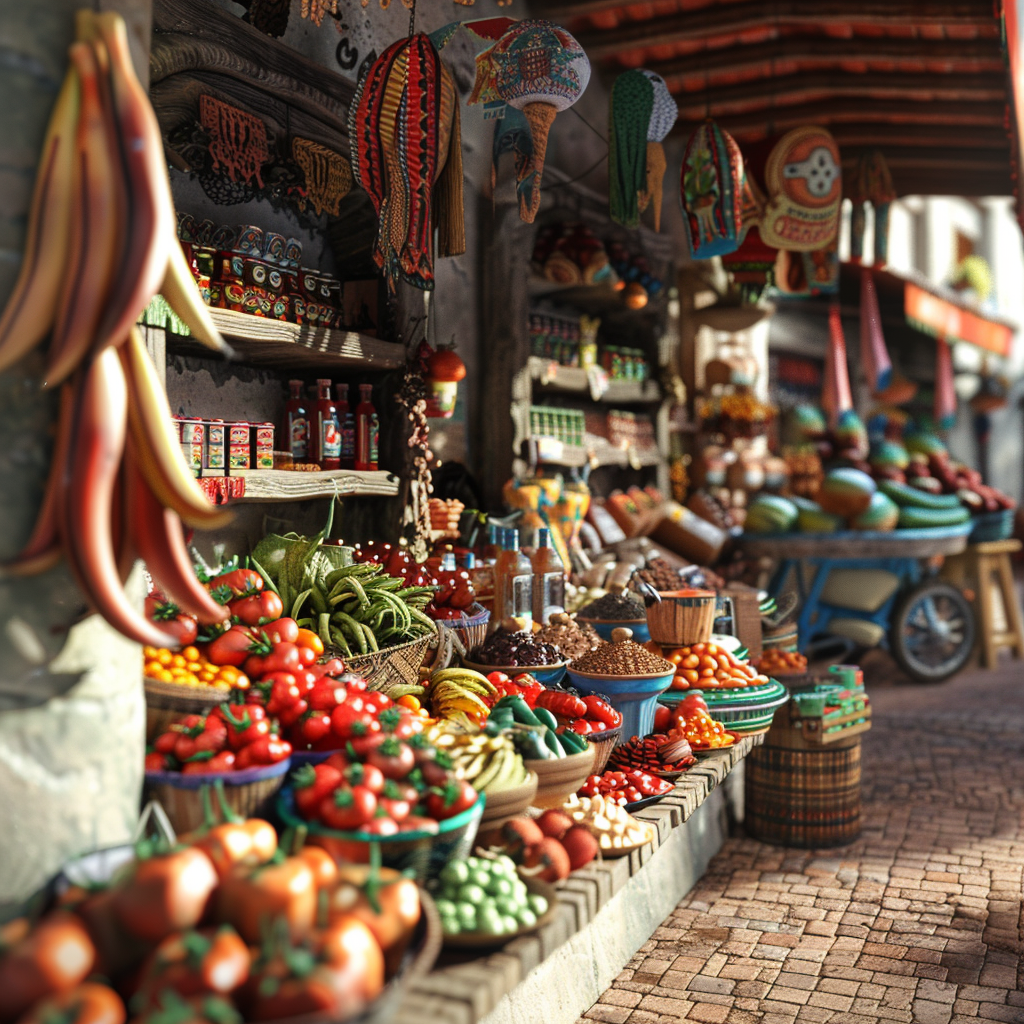
Pottery, wood furniture, textiles, copper, woven baskets, artisan gifts: all more affordable and handmade. These lovely coffee cups were about $2 each at the mercado.
Cell Phone Plans
Prepaid or monthly, phone and data plans are significantly cheaper.
Unlimited social media + data for a small fraction of U.S. prices. I remember paying around $70 a month for verizon in the States. Here I pay about $10. Truly, if you’re paying more than $15 a month here, you’re doing something wrong.
Eating Out
Street tacos, small family restaurants, the fondas at the mercado: all affordable and delicious.
You can eat out weekly without blowing your budget.
And sometimes the little local fondita is better than anything fancy. I recently went out for lunch and it was about $4, and that was with a beer! Higher priced and very nice restaurants are many here too, but cost less than their equivalents in other northern countries.
WHAT IS SURPRISINGLY MORE EXPENSIVE
You know that feeling when you move to Mexico and think you’re about to save all the money?
Like, “I’ll eat tacos for $2 forever, live in sunshine, go to the beach, and my wallet will finally breathe again.”
And then one day you walk into Costco holding a block of imported cheese and suddenly you’re whispering, “Four hundred pesos? For THIS?!”
Welcome to the surprising side of living in Mexico.
If it didn’t grow here, didn’t swim here, or doesn’t have a grandmother in Jalisco making it by hand… it might be more expensive.
Things like Spaghetti sauce, Greek yogurt, maple syrup, peanut butter, some of the little comfort foods you think you’re not attached to until they’re 2–3× the normal price.
Import taxes + transportation = ouch
Appliances and electronics:
Phones, laptops, cameras, iPads, TVs, washers and dryers.
Yep, all can typically be 10–30% more.
Buying Apple products is especially painful.
Cars (New or Used)
Cars retain value much longer in Mexico (because they fix things here), plus importation is complicated and expensive.
A 10-year-old Toyota here might cost the same as a 4–5-year-old model in the U.S.
It all depends on if they make it here. Beautiful wood furniture? Affordable and local.
The giant fridge you have your eye on?
More expensive.
A lot of you have asked for a simple checklist that covers visas, banking, cell service, transportation, packing, all the things you need to remember before moving.
So I finally made one that’s easy to download and follow step-by-step.
It’s on my “Guides” page.
THE REAL COST OF THIS LIFE
Okay, so that’s the big picture.
Now let me show you what I spend in a typical month just living my quiet little life here.
Groceries, bills, going out, household help… all the regular things that make up a life.
It’s just my experience, in my town, in my stage of life.
I cook most of my meals at home, so groceries are a big part of my spending.
Fresh produce here is incredibly affordable, the mercados are wonderful, and most weeks I spend around $15.
Unless I get distracted by a giant peach or a stack of mangos. Then all bets are off.
I’m a homebody, so I don’t eat out that often, but when I do, a simple meal is usually $4-8, and a nice café coffee is around $2. A fancier place like a seafood restaurant with a couple of margaritas cost about $15-25 including tip.
So dining out ends up being a small part of my monthly budget.
My electricity bill honestly shocked me the first month, in a good way. Most months I pay around 300 pesos ($15) for two months. If you use a lot of electricity, or if you have AC, it can go much higher. But for my simple life in the mountains? It’s pretty manageable.
I refill my household gas tank every few months. I usually budget about $30 a month for gas, just to keep things simple.
Garbage service is inexpensive here: around 30-50 pesos per giant bag. It varies by municipality, but it’s usually low.
The Internet runs me about $25 a month. And my phone plan is under $10, which still blows my mind, because in the U.S. my old phone bill could have bought a small used car.
Household help is very common here: gardeners, cleaners, people who work full days.
The going rate in this region is about $25 USD for a full day, which is the standard local wage.
It’s not a bargain, it’s just what’s customary here. I don’t hire a house cleaner but I have Temo come twice a week lately, until we get this outside space under control. He is also going to be helping me fix up the casita; cleaning, painting etc… I pay him a little more because he comes from kind of far away.
I don’t spend money on repairs every month, but with an older rural property, something always needs attention. So I set aside $100 each month for maintenance.
Some months I spend none of it. Some months… I spend all of it.
Like when I had Fernando and his team make me a water catchment system. They guys were here I think four days and the total cost of the project including materials was about $350
And of course, two big lovable dogs do add to the monthly budget. Food, treats, the occasional vet visit… I’d say I spend around $50 a month on them.
Totally worth every peso.
I pay for catastrophic insurance, which comes out to about $135 per month.
But I’m considering self-insuring like many people do here, because I’m healthy and it’s so much more affordable here.

I don’t drive every day, so gas lasts a while. Most months I spend around $40 on fuel.
And then there are all the small things: cleaning supplies, gardening stuff, a random trip to the ferretería for mouse traps or engine oil. I usually set aside $50 for those unpredictable little expenses.
My monthly total usually ends up around $840.
Your number might be lower or higher; every region and every lifestyle is different.
And remember, I have weekly help from Temo, who prevents my property from turning into a small jungle. If you don’t need someone coming every week, you’ll spend less.
This total doesn’t include things like car maintenance, annual property taxes, or bigger fixes; because those pop up whenever they feel like it, not on a tidy monthly schedule.
I hope you’ve found this video useful! If I can answer questions please leave them in the comments, and if I don’t see you until January I want to wish you a very merry christmas and a happy new year! I’m not a big fan of the Christmas carols but I do have a favorite: O Holy Night. So majestic and beautiful! It always makes me want to act like a ballerina..

 Insights, stories, and guidance for creating a life of freedom and courage in Mexico and beyond